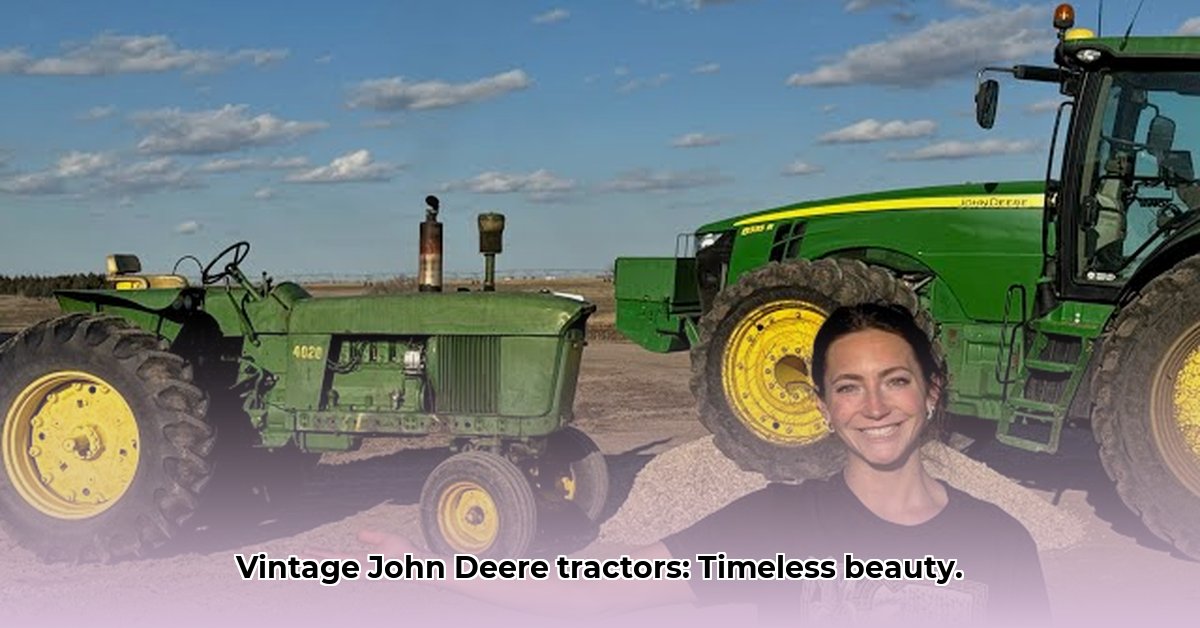
Old John Deere Tractor Pictures: More Than Just Rust and Nostalgia
Have you ever seen a photograph of an old John Deere tractor, its paint faded, its metal worn smooth by years of dedicated service? It's more than just a picture; it's a story etched in time. These aren't simply machines; they embody the grit and determination of generations of farmers who nurtured life from the soil. Old John Deere tractor pictures evoke a powerful sense of nostalgia, a simpler time deeply connected to the land. But beyond the sentimentality, these images represent something far more significant: a blueprint for a more sustainable agricultural future. Is it surprising that these icons of the past hold the key to a greener tomorrow? For information on other vintage tractors, check out this site on International Harvester tractors.
Beyond the Surface: Sustainable Farming's Unsung Heroes
When you examine these old John Deere tractor pictures closely, you see more than just rust and weathered steel. You witness the very essence of sustainable agriculture. Unlike today's often disposable machinery, these tractors were built to endure. They were designed for repair, not replacement. Imagine an era where fixing a broken part was routine, not a crisis. Restoring these workhorses isn't merely about preserving history; it's about lessening our dependence on new manufacturing, reducing strain on resources, and diminishing our carbon footprint. It’s a return to smarter, more resourceful farming practices. How much of a reduction in environmental impact could this represent?
The Numbers Game: Is Restoration Economically Viable?
The economics of restoring vintage farm equipment present a fascinating balance of costs and benefits. For smaller farms, the financial advantages of using a restored tractor, compared to purchasing a new one, can be substantial. They can save significant sums and simultaneously reduce their environmental impact. However, larger farms with more extensive equipment needs and tighter budgets must weigh the restoration costs—particularly sourcing hard-to-find parts—against potential savings and environmental benefits. But many farmers will attest to the immeasurable satisfaction of reviving a piece of history. What are the long-term economic implications of prioritizing restoration?
The Sweat Equity: The Art and Science of Tractor Restoration
Bringing these agricultural icons back to life is not a simple task; it’s a labor of love fueled by meticulous attention to detail and ingenuity. Finding the right parts can resemble a treasure hunt, often demanding hours of research and creative problem-solving. The process requires patience, mechanical aptitude, a thirst for knowledge, and unwavering determination. But the rewards are immense. The feeling of accomplishment, witnessing a forgotten machine roar back to life, is unparalleled. This revitalization process directly connects our agricultural past to a more eco-friendly and sustainable future. What innovative solutions have emerged to facilitate this restoration process?
A Legacy of Innovation: The Evolution of John Deere Tractors
Old John Deere tractor pictures are more than snapshots of aging machinery; they’re a visual chronicle of agricultural evolution. These images capture decades of innovation, showcasing how designs adapted to enhance efficiency and performance. We observe the gradual shifts in engine technology, wheel configurations, and overall construction. Studying the evolution of these machines deepens our appreciation for the ingenuity and relentless pursuit of progress that have shaped modern farming. They literally and figuratively laid the groundwork for more sustainable practices in subsequent years. What key design innovations have profoundly impacted sustainable agricultural practices?
Looking Ahead: Sustainable Farming and Vintage Equipment
The movement towards sustainable farming is accelerating, and restoring vintage equipment plays a pivotal role. By adopting these methods, we're not only reducing our environmental impact, but also respecting our agricultural heritage. The advantages are clear: decreased reliance on manufacturing, reduced waste, lower carbon emissions, and a more resilient approach to land stewardship. This is integral to creating a more sustainable future, and old John Deere tractor pictures vividly illustrate the path forward. What are the broader social and economic implications of this sustainable approach?
Actionable Steps Towards a Greener Future
- Individual Action: Learn basic repair techniques; engage in local restoration communities.
- Educational Initiatives: Agricultural universities should offer restoration workshops and courses; conduct research into sustainable agricultural practices.
- Industry Collaboration: Parts suppliers should expand inventories of vintage parts; consider utilizing 3D printing technologies.
- Governmental Support: Government agencies should provide grants and incentives for restoration projects; fund research into sustainable agricultural practices.
Each old John Deere tractor picture tells a powerful story of resilience, ingenuity, and a profound connection to the earth. By embracing the past, we can forge a better future, one meticulously restored tractor at a time.
How to Source Replacement Parts for Vintage Farm Equipment Restoration
Key Takeaways:
- Restoring vintage John Deere tractors is a rewarding endeavor, fostering sustainable agriculture.
- Locating replacement parts requires a multifaceted approach, utilizing online resources, local networks, and creative problem-solving.
- The durability and robust design of older equipment offer substantial environmental and economic advantages.
- Community involvement and technological innovation are critical for lasting success in parts sourcing.
The Allure of the Green Machine: Hunting for Parts
The satisfying rumble of a vintage John Deere tractor, its paint gleaming under the sun, is more than just sound; it’s a symbol of hard work, resilience, and a connection to agricultural history. Restoring these machines is a rewarding task, but finding replacement parts can be challenging. This necessitates a strategic approach to sourcing those elusive components.
Online Avenues: A Virtual Parts Yard
The internet provides an abundance of resources. eBay, specialized agricultural forums, and dedicated vintage tractor parts websites are excellent starting points. These online communities are treasure troves of information and connections to fellow enthusiasts who provide advice and parts leads. Persistence is key; that perfect carburetor might be just a click away.
The Local Scene: Building Connections
Don't undervalue local networks. Attend agricultural shows, auctions, and swap meets. These events connect farmers, collectors, and parts dealers. These personal interactions offer immediate access and valuable insights.
Creative Solutions: When All Else Fails
Sometimes, the ideal part simply doesn't exist. This is where innovation shines. 3D printing is transforming vintage restoration, enabling the creation of custom replacements. This reduces reliance on newly manufactured parts and minimizes environmental impact.
Weighing the Options: OEM vs. Aftermarket
Choosing between Original Equipment Manufacturer (OEM) parts and aftermarket options is critical. OEM parts guarantee quality and fit, but come at a higher cost. Aftermarket parts offer more affordable alternatives, but careful consideration of quality and compatibility is essential.
Prioritize and Plan: A Sustainable Strategy
A structured approach is vital. Create a parts inventory, proactively replace worn components, and develop a detailed restoration plan. A sustainable approach prioritizes the long-term health of your vintage machinery.
The Rewards of Restoration
The satisfaction of reviving a vintage machine is immense. You’re not just restoring a tractor; you’re preserving history, promoting sustainable agriculture, and connecting with the past. The quiet hum of a restored engine is the ultimate reward.
[1] https://cfabglobal.com/vintage-farm-machinery-parts/